

Can You Sell Medical Test Kits on Amazon UK? Compliance Explained
Author Dr Kate Garside
Can You Sell Medical Test Kits on Amazon UK? Compliance Explained
This article is general guidance for resellers and is not legal or regulatory advice. Rules change, so always check the latest MHRA guidance and Amazon's own policy pages before you list.
The short answer is yes, you can sell medical test kits on Amazon UK. Drug tests, pregnancy tests, cholesterol meters and other home testing kits sell steadily all year round, which is exactly why so many FBA sellers are interested in them. The catch is that test kits are regulated medical devices, so Amazon will not let you list them in the same way you would list a phone case or a kitchen gadget.
We have been supplying wholesale test kits to UK resellers for over 20 years, and we sell into Amazon ourselves, so the same questions come up again and again. In this guide we will walk through how approval works, what MHRA registration and CE or UKCA marking actually mean for a reseller, the paperwork Amazon tends to ask for, and how buying from a UK distributor with the right documents can save you a lot of back and forth.
Why Test Kits Are a Restricted Category on Amazon
Under UK law, a test that examines a sample taken from the human body, such as urine, saliva or a drop of blood, is classed as an in vitro diagnostic medical device, usually shortened to IVD. That covers most of the kits FBA sellers are interested in, from multi-panel drug test cups to vitamin D and cholesterol tests.
Because a wrong result could affect someone's health, their job or even a legal decision, Amazon treats IVDs as restricted products under its medical devices policy. In practice, one of three things usually happens when you try to add a test kit to your inventory:
- You can list straight away, often because your account already has a good selling history in health products.
- You see a "Listing limitations apply" message and need to request approval before you can sell.
- The listing goes live but is later flagged and suppressed until you supply documents.
Surface and powder drug tests, which check items rather than a body sample, are not usually IVDs. They can still be caught by Amazon's automated checks, though, simply because of the wording used in the listing.
How to Get Approval to Sell in a Restricted Category
Approval is requested through Seller Central, usually product by product or brand by brand. The screens change from time to time, but the process generally looks like this:
- Use a Professional selling plan. Approval requests for restricted categories are only open to Professional accounts.
- Search for the product in Seller Central using its ASIN, barcode or name. If approval is needed, you will see a prompt to request it.
- Buy your stock first. Amazon usually wants to see a genuine purchase invoice before it approves you, so you will need to place an order with your supplier before applying. A sensible first order is fine. There is no need to fill a warehouse before you know you are approved.
- Upload your documents. This normally means supplier invoices plus any compliance paperwork Amazon asks for, which we cover below.
- Wait for a decision. Some sellers hear back quickly, while others get a request for more information. Answer exactly what is asked, attach the right document and resubmit.
Tip: The name and address on your invoice should match your Seller Central account exactly. Amazon usually prefers invoices dated within the last 180 days that show a wholesale quantity, and it will reject anything that looks altered. Never edit an invoice yourself. If something is wrong, ask your supplier to reissue it.
MHRA Registration: What It Means for Resellers
The Medicines and Healthcare products Regulatory Agency (MHRA) regulates medical devices in the UK. Every medical device, including every IVD, has to be registered with the MHRA before it can be placed on the market in Great Britain (England, Scotland and Wales).
Registration is the manufacturer's job. If the manufacturer is based in the UK, it registers its own devices. If it is based overseas, it must appoint a UK Responsible Person, often called a UKRP, who registers the devices on its behalf and acts as the point of contact for the MHRA.
If you are reselling a finished, branded product, you would not normally register it yourself. What you do need to do is check that it has been registered, because an unregistered device is not something Amazon or the MHRA will overlook. Your supplier should be able to confirm the registration details, and you can also search the MHRA's Public Access Registration Database (PARD).
A Word of Warning on Private Label Test Kits
Plenty of FBA sellers like the idea of putting their own brand on a product. With medical devices, that changes everything. If a test kit is sold under your name or brand, the law generally treats you as the manufacturer. That means the technical documentation, conformity assessment, labelling, MHRA registration and post-market surveillance all become your responsibility.
It is a serious commitment, and it is the main reason most resellers start with established brands that already have their paperwork in place.
CE and UKCA Marking: Which One Do You Need?
Before you buy any test kit to resell, look at the packaging for a conformity mark. This is the manufacturer's declaration that the device meets the relevant safety and performance requirements.
- UKCA is the mark introduced for Great Britain after Brexit.
- CE is the EU mark, and it is still accepted in Great Britain for now.
Under the current transitional arrangements, IVDs that are CE marked under the old EU IVD Directive can be sold in Great Britain until 30 June 2030, or until their certificate expires if that is sooner. IVDs that are CE marked under the newer EU IVD Regulation are also accepted until 30 June 2030. The MHRA ran a consultation earlier this year on recognising CE marked devices indefinitely. It closed in April 2026 and, at the time of writing, the outcome has not been published, so it is worth keeping an eye on.
Northern Ireland follows EU rules for medical devices, so products sold there need a CE mark (sometimes alongside a UKNI mark). A UKCA-only product cannot legally be sold into Northern Ireland, and as Amazon.co.uk delivers there, a CE mark is the more flexible option if you are selling UK-wide.
Self-Test or Professional Use?
There is one more detail on the box that matters a lot for Amazon sellers, and that is whether the test is intended for self-testing or professional use.
- Self-test kits are designed for members of the public to use at home. Because a lay person is carrying out the test, the design has to be checked by an independent notified body (for CE) or UK approved body (for UKCA). You will usually see a four-digit number printed next to the mark, which identifies that body.
- Professional use kits are intended for trained users such as employers, clinics and testing services. Many of these can be self-declared by the manufacturer, and the labelling will state that they are for professional use.
Most Amazon customers are members of the public, and Amazon restricts devices that are only meant for professional use. Check that the intended use on the packaging and instructions matches the people you plan to sell to. If you are not sure which of our lines are labelled for home use, just ask our trade team.
The Paperwork Amazon Asks For
Amazon does not publish one fixed checklist for every test kit, and what it requests can vary depending on the product and your account history. These are the documents that come up most often:
| Document | What It Shows Amazon | Where It Usually Comes From |
| Supplier invoices | You bought genuine stock in wholesale quantities from a legitimate source | Your wholesale supplier |
| Declaration of conformity | The manufacturer declares the kit meets UK or EU medical device rules | The manufacturer, usually supplied through your distributor |
| Notified or approved body certificate | A self-test kit has been independently assessed | The manufacturer, via your distributor |
| MHRA registration details | The device is registered for sale in Great Britain | The manufacturer or its UK Responsible Person |
| Instructions for use and packaging photos | The conformity mark, manufacturer details and intended use are on the product itself | You, taken from the stock you have bought |
| Safety data sheet | Whether liquids or reagents in the kit need a dangerous goods review before going into FBA | The manufacturer, via your distributor |
Amazon may also ask for clear photos of every side of the packaging so it can see the conformity mark, manufacturer details and lot number for itself. It is worth taking these as soon as your stock arrives.
It also pays to keep your listing wording in line with the packaging. Claims such as "100% accurate", "clinically proven" or "FDA approved" are a common reason for listings being flagged. Stick to what the instructions for use actually say about accuracy and intended use, and you will avoid a lot of unnecessary problems.
Why Buying From a UK Distributor Makes Approval Easier
A lot of approval problems start with the supplier rather than the seller. Retail receipts, invoices from overseas marketplaces, or paperwork for a slightly different version of the product are all common reasons applications stall. Buying from an established UK distributor removes most of those headaches.
- Invoices Amazon can verify. A UK company with a registered address, VAT number and phone number is easy for Amazon to check if it decides to contact the supplier.
- Documents that match the product. A good distributor holds the declarations of conformity, certificates and instructions for the exact lines it sells, so you are not chasing an overseas factory for an up-to-date copy.
- Stock that is ready for the UK market. Products come with English instructions and carry the conformity marks needed to sell in Great Britain.
- Someone to ask. When Amazon comes back with a question, it really helps to have a supplier who understands what is being asked.
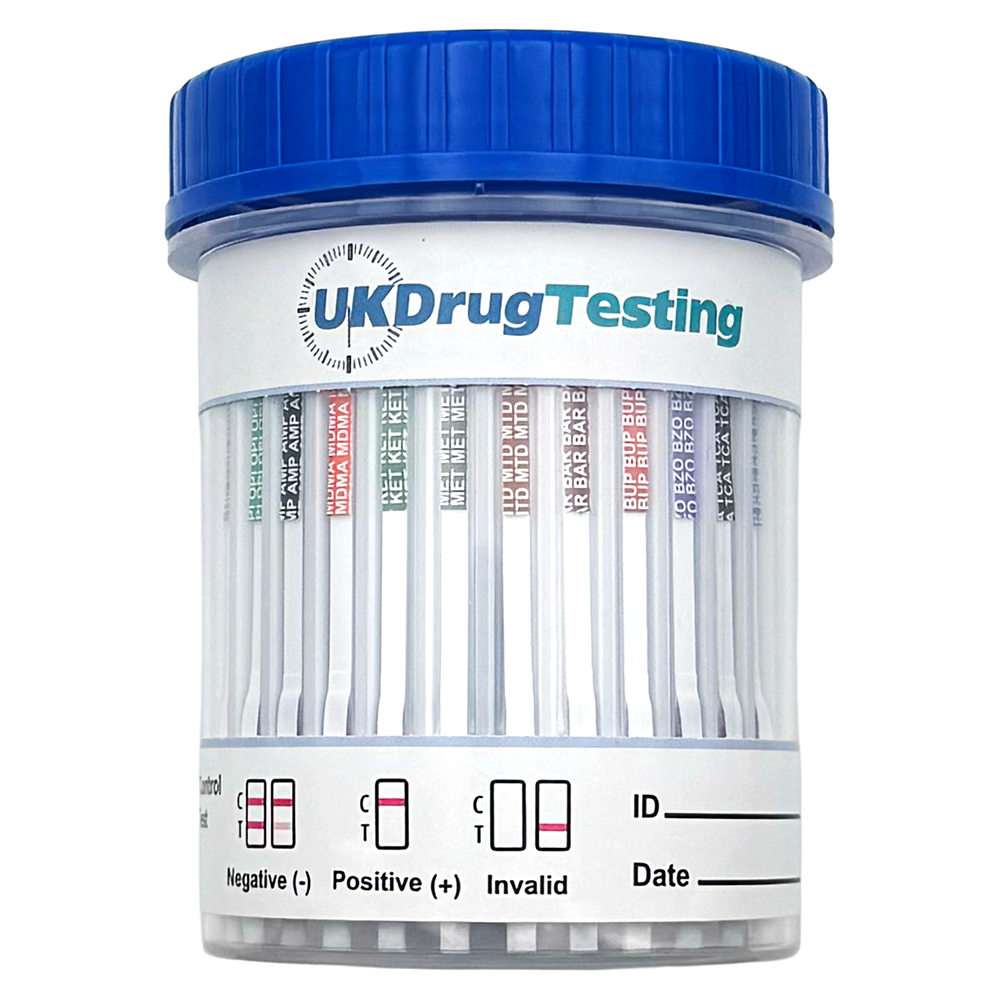
At ADTUK we supply our own UKDrugTesting brand alongside trusted names such as ALLTEST and EasyLife. Our trade team can provide wholesale invoices and the supporting compliance documents for the products we stock, so you have what you need when you apply for approval. We can also prepare your stock for Amazon with our barcode labelling service, ready to send straight into the fulfilment network.
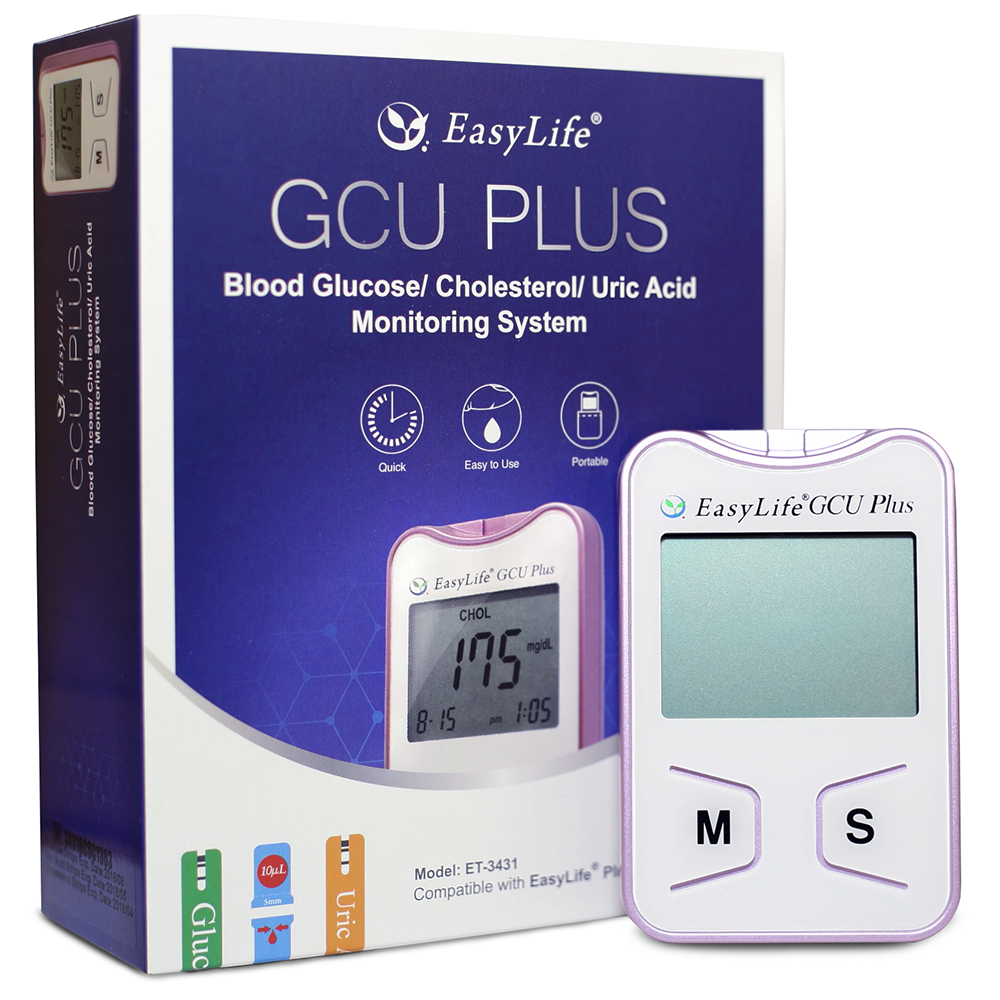
If you would rather focus on home health testing, our self-testing range includes glucose, cholesterol and uric acid meters from EasyLife, along with rapid tests from ALLTEST covering areas such as PSA, vitamin D and ferritin. These are popular with FBA sellers because customers already understand what they are buying and why.
Quick Compliance Checklist Before You List
- The product carries a valid CE or UKCA mark, with a notified or approved body number if it is a self-test kit.
- The device is registered with the MHRA, and you know who the manufacturer or UK Responsible Person is.
- The intended use, self-test or professional, suits the customers you are selling to.
- You have a declaration of conformity and English instructions for use.
- Your invoices come from a legitimate supplier and match your Seller Central details exactly.
- Your listing wording matches the claims on the packaging and goes no further.
Final Thoughts
Selling medical test kits on Amazon UK takes a little more preparation than most categories, but it is far from impossible. Amazon is really asking two questions: is this product legal to sell in the UK, and did you buy it from a genuine source? Once you look at it that way, the paperwork starts to make a lot more sense.
Get those two things right from the start and approval becomes a much smoother process. If you have questions about a specific product, its documentation or whether it suits Amazon FBA, our trade team is always happy to help.